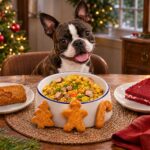
Fresh Dog Food UK: What It Really Means, and How to Choose Well
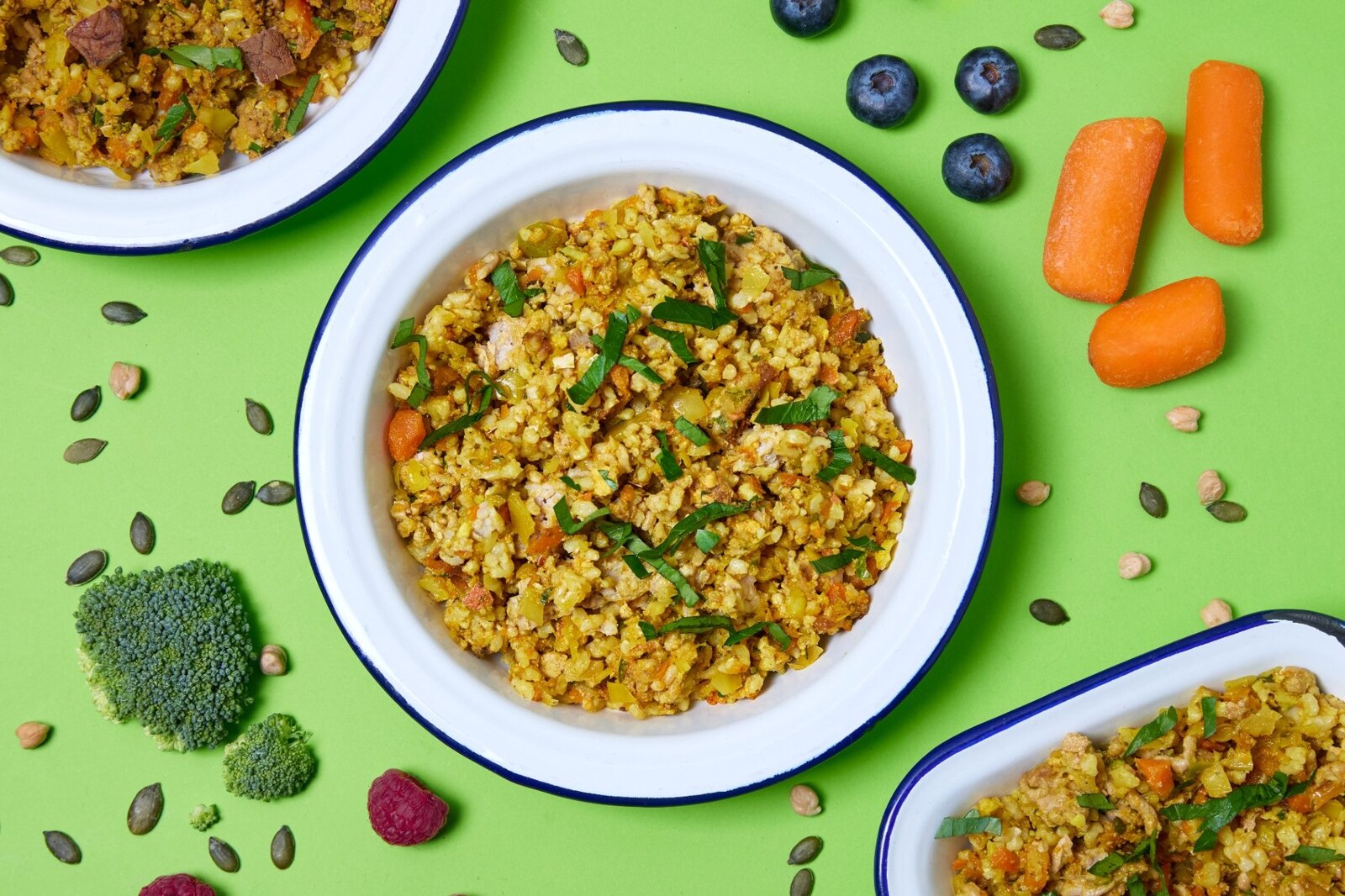
You’re standing in the pet shop aisle, or scrolling through delivery options on your phone, surrounded by words like “fresh”, “natural” and “gently cooked”. Your pooch is waiting for dinner, and you’re trying to work out what those words actually promise.
If you’ve been searching fresh dog food UK, you’ve probably found that the answer isn’t as simple as the label makes it sound. Let’s unpack what fresh food means, what it doesn’t tell you, and how to choose and switch in a way that suits your dog.
What Does Fresh Dog Food Actually Mean?
In the UK, “fresh” is not a legally defined category for finished pet food. There’s no single regulated standard that every food labelled fresh must meet.
There is industry guidance for describing individual ingredients. Under FEDIAF best practice, an ingredient described as fresh has had no treatment other than refrigeration. Cooking, drying or freezing means that ingredient shouldn’t be called fresh.
That’s different from a finished meal described as freshly cooked. A cooked meal can be prepared using fresh ingredients, but “fresh” by itself doesn’t tell you exactly how the whole recipe was made, or whether it’s nutritionally suitable as your dog’s only food.
One word deserves particular attention: complete. This is a legal term. A complete food contains all the nutrients a dog needs each day when fed according to its instructions. Only a food labelled complete is suitable as a sole diet.
So, when you’re comparing food, check what the label says about its nutritional status, not just the appealing words on the front.
How Fresh Food Differs From Kibble
One noticeable difference is moisture. Dry dog food, or kibble, is typically around 10% moisture. Freshly cooked dog food is typically around 60% to 75% moisture.
That’s a substantial difference in texture and water content. It’s one reason changing from kibble to fresh food gradually is sensible, especially if your dog has a sensitive tummy.
The foods are also made and stored differently. Kibble is a dry, shelf-stable format. Freshly cooked food is prepared as a moist meal and needs to be stored according to its instructions. Methods and recipes vary, so don’t assume that the word “fresh” tells you the whole production story.
And what does moisture not prove? It doesn’t tell you whether the food is complete, whether it’s right for your dog’s life stage, or whether it suits their individual needs. A moist meal isn’t automatically a better meal for every pooch.
A few useful questions to keep in your pocket:
- Is the food labelled complete or complementary?
- What does the feeding guidance say for your dog?
- How is it prepared and stored?
- Can the provider explain how the recipe is tailored to your dog?
What to Look For When You’re Choosing
The best fresh dog food for your household is the one that fits your dog, not the one with the prettiest packaging or the longest ingredient list. Use this checklist as you compare options:
- Check the nutritional status. If the food will be your dog’s sole diet, look for confirmation that it’s a complete food and follow its feeding instructions.
- Read beyond the word “fresh”. Ask what the provider means by it, and how the finished meal is prepared.
- Look for clear feeding guidance. You should be able to work out how much to feed your dog and how to serve the food.
- Consider your dog’s individual needs. Breed, weight, age, activity level and known sensitivities all matter when choosing a tailored recipe.
- Ask about ingredients. Check what goes into the food and whether the recipe can take known sensitivities into account.
- Understand storage and delivery. Fresh food needs practical instructions for keeping it safely once it arrives.
- Speak to your vet when health is part of the decision. This matters if your dog has a medical condition, needs help with weight management or may have an allergy.
A provider should be happy to answer sensible questions. If something about the food or feeding instructions isn’t clear, ask before changing your dog’s bowl.
How to Switch Without an Upset Tummy
Sudden diet changes are a common cause of loose stools and an unsettled stomach. A gradual transition gives your dog time to get used to a new food’s moisture and texture.
For many dogs, veterinary advice is to take around 7 to 10 days. If your dog has a sensitive stomach, a slower change of 10 to 14 days is often suggested. Your vet can advise on a plan that suits your pooch.
Start With a Small Portion
For the first couple of days, try roughly 25% new food and 75% current food. Follow the new food’s feeding guidance when working out portions, rather than adding a full serving on top of your dog’s usual meal.
Move Up Gradually
If your dog seems comfortable, increase the new food in stages:
- Days 1 to 3: about 25% new food and 75% current food
- Days 4 to 6: about 50% of each
- Days 7 to 9: about 75% new food and 25% current food
- Day 10 onwards: move to the new food, if your dog is doing well
For a sensitive tummy, spread those steps over 10 to 14 days instead. Slower is perfectly fine. There’s no medal for rushing dinner!
Watch Your Dog, Not Just the Calendar
Keep an eye on your dog’s stools, appetite and general comfort as you go. If their tummy seems unsettled, pause at the current mix or return to the last comfortable proportion, and give them more time.
If symptoms are severe or persistent, or you’re worried about your dog, contact your vet. For more on food sensitivities and careful diet changes, read our guide to dog food for a sensitive stomach.
What Goes Into The Bowl
At Talula Eats, each recipe is built ingredient by ingredient and tailored to your dog’s breed, weight, age, activity level and known sensitivities. Ingredients can include fresh meat, seasonally changing fruit and vegetables, salmon oil, coconut oil, flaxseed, turmeric, organ meat and cricket powder: a sustainable protein produced in the UK. Our meals contain zero additives.

A Chef, Not A Production Line
Most dog food is made on a line, to one fixed recipe, for every dog who will ever eat it. Ours is cooked by a chef, to your dog’s recipe, in a kitchen you can actually visit.
That’s the part people find hardest to believe until they see it. Every meal is prepared by hand, in small batches, in our Fitzrovia kitchen. Nothing is bought in ready-made and repackaged. Nothing is cooked weeks ahead and held in a warehouse. It’s cooked slowly, by hand, and then out the door the same day. Never frozen.
Having a chef and a nutritionist in the same kitchen changes what’s possible. A nutritionist can tell you what a dog needs. A chef knows how to make it something they’ll actually finish. With both, a tailored recipe doesn’t have to taste like a compromise.
Ingredient By Ingredient, For Allergies And Sensitivities
This is where bespoke stops being a marketing word.
When a dog can’t have an ingredient, we don’t simply remove it and hope for the best. We take it out and then replace the nutrition it was providing. If a dog is allergic to chicken, the chicken comes out and turkey goes in. The bowl still balances.
That approach matters much more than choosing a different flavour from a shelf. It means the recipe can be rebuilt around what suits your dog, rather than your dog being fitted to a recipe that already exists.
For dogs with a known sensitivity, the Personalised Nutrition Plan adds an intolerance and sensitivity test by Pet Health Testing, a structured elimination and reintroduction process, 30 days of tailored meals delivered weekly, 30 days of ongoing consultation and a 30-minute session with a canine behaviourist.
One honest note, because it matters: a test result is information to work with, not a diagnosis. It sits alongside your dog’s history, what you’ve noticed at home and your vet’s advice. It doesn’t replace any of them.
Collect It Yourself, And Meet The Chef

Not every dog lives on a delivery route, and not every owner wants to work out the last mile. You’re always welcome to collect from our kitchen at 72 Cleveland Street in Fitzrovia.
And if you’d rather talk it through face to face than over a form, say so. We’ll arrange a time for you to come in and meet the chef in person. Bring the questions you’ve been saving up, the ones about your dog’s itches, their fussy weeks, the treats they beg for and the food they turn their nose up at. That conversation is usually where a recipe really starts to make sense.
You can call us on 07842 324873 or get in touch here to sort out a collection or a chat.
Delivered, Packed, And Planned Around Your Dog
If you’re in our delivery area, we offer UK-wide shipping, with delivery currently focused on Central London. Each delivery also comes with a free handmade surprise treat: perhaps a doggie pizza, doughnut or bagel. Dinner and a little bonus? That’s worth a happy tail!
Our packaging is fully compostable sugarcane pulp and suitable for the fridge and freezer.

There are different delivery rhythms to suit your household: Living Life brings 7 meals weekly, The Weekender brings 4 meals every two weeks, and Once In A While brings 4 meals monthly. A Bespoke Plan offers a flexible schedule.
More Than Just Dinner
A kitchen that cooks properly for dogs doesn’t have to stop at the bowl. The same kitchen makes our doggie treats, and existing customers can order extra treats through the add-on section. Birthday cakes can be ordered with at least a week’s notice, so do ask us about availability.
You may also have seen our doggie afternoon tea at the Great Scotland Yard Hotel. Same team, same standards, different occasion. It tells you something about how we think about feeding dogs: not as a chore to be solved, but as part of family life worth making a fuss over.

Is Fresh Right for Every Dog?
Not necessarily, and we think it’s important to say so. Fresh food isn’t automatically better for every dog. What matters is whether the food is nutritionally appropriate, suits your dog’s needs and works for your routine.
If your dog has a health condition, needs support with weight management or may have an allergy, speak with your vet before changing their diet. A suspected allergy needs careful investigation; changing food on your own may not give you the answers you need.
For dogs who do well on a fresh diet, freshly cooked meals can be a convenient way to serve a tailored dinner without cooking it yourself. The right choice is the one that leaves you feeling confident, and your pooch comfortable at mealtimes.
Ready to Find Your Dog’s Fit?
Choosing food can feel like a lot when every label has something different to say. Start with the important details: check for “complete” if the food will be your dog’s sole diet, ask clear questions, and take your time with the switch.
Want to see how we tailor meals and delivery routines, or to arrange a collection and a chat with the chef in Fitzrovia? Explore Talula Eats or get in touch with our team. We’d love to hear what makes your paw-pal their own little self!